
October 7, 2026
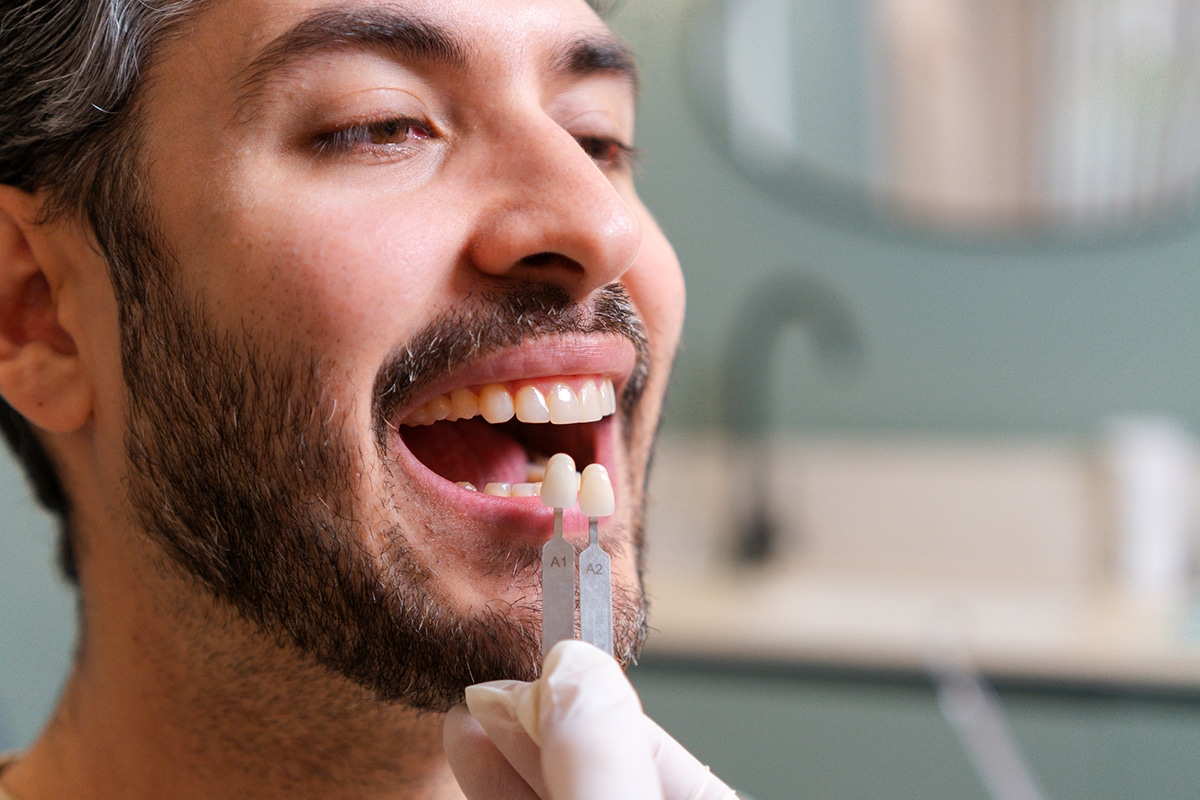
When a patient comes to us with a damaged or decayed tooth, one of the first questions we hear is why we recommended a crown instead of a filling. It is a fair question. Fillings are quicker, less expensive, and often the first thing that comes to mind when someone thinks about tooth repair. But not every tooth is a good candidate for a filling, and choosing the wrong treatment can lead to more problems down the road. We want to walk through how we make this decision so our patients understand exactly why a crown might be the better choice for their situation.
Understanding the Difference Between a Filling and a Crown
A filling is designed to repair a small to moderate area of decay or damage. We remove the decayed portion of the tooth and fill the space with a durable material, restoring the tooth's shape and function. Fillings work well when there is enough healthy tooth structure remaining to support the material and hold up under normal biting forces.
A crown, on the other hand, is a cap that covers the entire visible portion of the tooth above the gum line. Instead of filling in a small space, we reshape the tooth and place a custom restoration over the whole surface. Crowns are built to handle situations where a filling would not provide enough strength or stability. We think of a filling as patching a problem area and a crown as reinforcing the whole structure.
Signs That Point to a Crown Instead of a Filling
There are several situations where we typically recommend a crown rather than a filling. Recognizing these signs can help our patients understand what to expect before we even begin discussing treatment options.
Extensive Decay or Damage
When decay has spread across a large portion of the tooth, there may not be enough healthy structure left to support a filling. A filling needs surrounding tooth material to bond to and hold its shape. If too much of the tooth has been compromised, a filling can weaken further or fail entirely. A crown covers and protects what remains, distributing chewing forces more evenly across the whole tooth.
Cracked or Fractured Teeth
A cracked tooth is at risk of splitting further with everyday use. Even a small crack can worsen every time we bite down, especially on harder foods. A crown holds the tooth together, preventing the crack from spreading and protecting the tooth from a fracture that could otherwise mean losing it altogether.
Teeth After Root Canal Treatment
Teeth that have undergone root canal therapy often become more brittle over time because they no longer receive the blood supply that once kept them nourished. Without the added protection of a crown, a root canal treated tooth is more prone to fracturing under normal biting pressure. We almost always recommend a crown following root canal treatment on back teeth that do the heavy work of chewing.
Large Old Fillings That Are Failing
Sometimes a tooth that has had a filling for many years starts to show signs of wear around the edges of that filling. Repeated fillings placed in the same tooth over time can weaken the remaining structure. When we see a tooth that has already been filled multiple times or has a filling that is breaking down, a crown often provides a more lasting solution than replacing the filling again.
Cosmetic and Structural Concerns Together
There are cases where a tooth has both a functional problem and a noticeable cosmetic issue, such as significant discoloration or an irregular shape from previous damage. A crown allows us to address both concerns in one restoration, improving strength while also creating a more natural, uniform appearance.
What the Crown Process Involves
We know that hearing "you need a crown" can sound like a bigger commitment than a filling, so we like to explain what the process actually looks like. First, we numb the area and remove any decay or damaged material from the tooth. We then reshape the tooth so the crown can fit securely over it. Depending on the technology available at the time of your visit, we may be able to design and place a custom crown in a single appointment, or we may take an impression and place a temporary crown while your permanent restoration is being made.
Once the crown is ready, we check the fit, bite, and appearance carefully before permanently securing it in place. A well-fitted crown should feel natural, function like the rest of your teeth, and blend in with your smile. Most crowns are made from materials chosen specifically for durability and a natural look, and with proper care, they can last for many years.
Why Choosing the Right Restoration Matters
We understand that a filling is often the simpler, less expensive option, and there can be a temptation to ask for a filling even when a tooth may need more support. Our goal is always to recommend the treatment that gives a tooth the best chance of lasting, not just the treatment that requires the least amount of work upfront. A filling placed in a tooth that truly needs a crown may fail sooner than expected, leading to additional decay, a cracked tooth, or even the need for extraction. In the long run, choosing the appropriate restoration the first time often saves patients from repeated procedures and unnecessary discomfort.
We also take into account each patient's individual bite, habits such as teeth grinding, and overall oral health when making this recommendation. No two teeth are exactly alike, and the right treatment depends on the specific condition of the tooth in front of us, not just a general rule of thumb.
Protecting Your Smile for the Long Term
At the end of the day, our recommendation between a filling and a crown comes down to one central question: what will give this tooth the best chance of staying healthy and functional for years to come. We take the time to evaluate the extent of the damage, the strength of the remaining tooth structure, and how the tooth is likely to hold up under everyday use before making that call. When we recommend a crown, it is because we believe it offers the most reliable path forward, not because it is the more involved option. Our patients can trust that every recommendation we make is rooted in what will serve their long term oral health best.
Frequently Asked Questions About When a Crown Is Recommended Instead of a Filling
How do I know if I need a crown or a filling?
The right restoration depends on how much healthy tooth structure remains and how much support the tooth needs. We evaluate the extent of decay or damage, the strength of the remaining structure, and whether the tooth is at risk of fracturing before recommending one option over the other.
Is getting a crown more painful than getting a filling?
No. Both procedures are performed with local anesthesia, so patients should not feel pain during either treatment. Some mild sensitivity after the appointment is normal for either restoration and typically fades within a few days.
How long does a dental crown last?
With good oral hygiene and regular checkups, a crown can last many years, often a decade or longer. Lifespan depends on factors such as grinding habits, diet, and how well the crown is cared for over time.
Will a crown look different from my natural teeth?
Modern crowns are designed to match the color, shape, and translucency of natural teeth. Most patients find that a well-fitted crown blends in seamlessly with the rest of their smile.
What happens if I choose a filling when a crown is recommended?
A filling placed in a tooth that needs more support may not hold up well under normal biting forces. This can lead to the filling failing sooner than expected, further decay, or even a fracture that could put the tooth at greater risk.
Stuart Prosthetic Dentistry is a comprehensive dental practice in Stuart, FL, offering restorative, cosmetic, and general dentistry services rooted in personalized, patient-centered care. If you have a damaged tooth and want to know whether a filling or a crown is the right solution for you, contact us today to schedule an appointment.