June 30, 2026
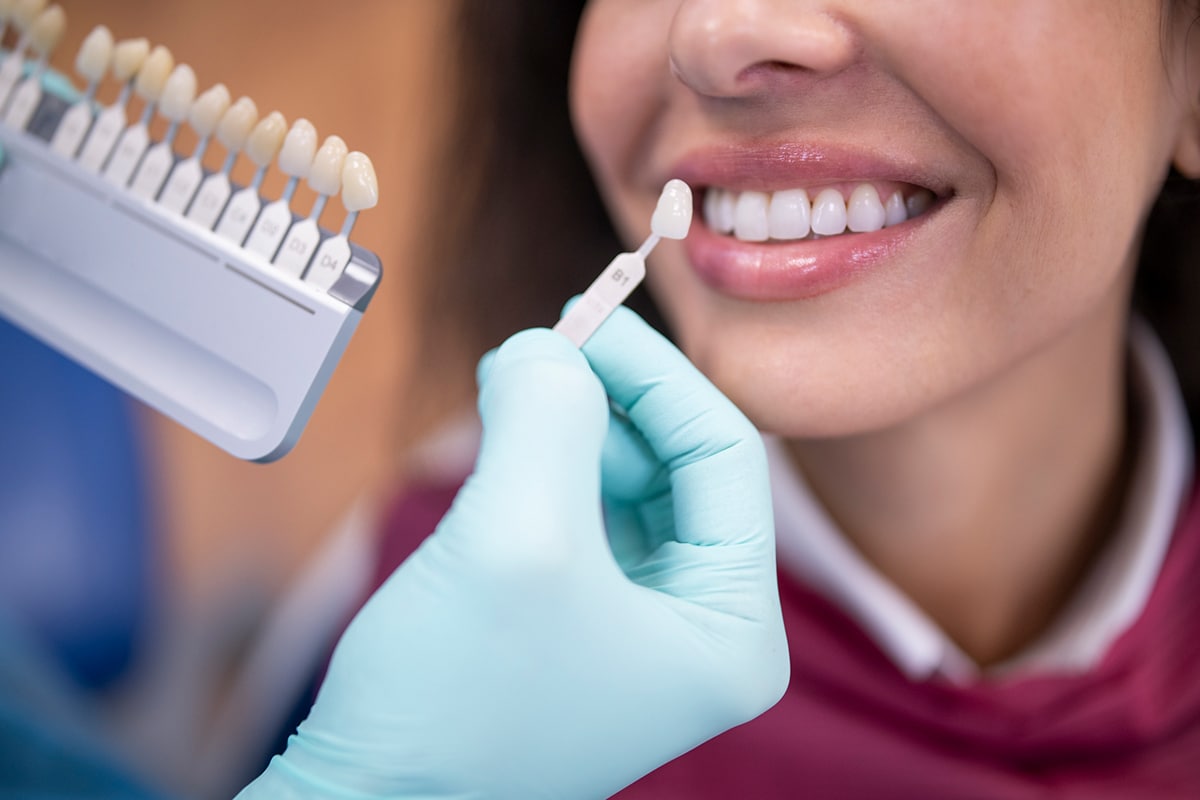
Dental crowns are one of the most reliable ways to restore teeth that have been damaged by decay, fractures, wear, or large fillings. A crown completely covers the visible portion of a tooth, restoring its strength, function, and appearance. For many patients, crowns provide a long-term solution that allows them to eat, speak, and smile with confidence.
One of the most common questions patients ask is how long a dental crown will last. While there is no single answer for every situation, most dental crowns can last anywhere from 10 to 15 years or longer with proper care. Some patients even enjoy decades of successful use when they maintain excellent oral hygiene and regular dental visits. Understanding what affects crown longevity can help you protect your investment and maintain a healthy smile for years to come.
Average Lifespan of Dental Crowns
Dental crowns are designed to be durable and withstand the daily forces of chewing and biting. The lifespan of a crown depends on several factors, including the material used, the location of the crown in the mouth, oral hygiene habits, and overall dental health.
Porcelain crowns are popular because they closely resemble natural teeth and provide excellent aesthetics. These crowns often last 10 to 15 years or longer when properly maintained. Porcelain-fused-to-metal crowns can also provide long-lasting results while offering additional strength for certain situations.
Modern dental materials have improved significantly over the years. Advances in technology allow dental professionals to create crowns that fit more precisely and perform more predictably than ever before. At Stuart Prosthetic Dentistry, advanced restorative techniques and attention to detail help ensure crowns are designed for both function and longevity. Patients benefit from personalized care and highly accurate restorations that support long-term oral health goals.
Although crowns are highly durable, they are not indestructible. Daily wear and tear eventually affects every restoration. However, proper care can significantly extend the life of a crown and help patients avoid premature replacement.
Factors That Affect How Long a Crown Lasts
Several factors influence whether a crown lasts 10 years, 20 years, or even longer.
Oral Hygiene Habits
A crown itself cannot develop decay, but the natural tooth structure beneath it remains vulnerable. Plaque and bacteria can accumulate along the crown margins, increasing the risk of cavities and gum disease. Brushing twice daily, flossing carefully around the crown, and attending regular dental cleanings help protect the supporting tooth and surrounding tissues.
Teeth Grinding and Clenching
Bruxism, or teeth grinding, places excessive pressure on dental restorations. Patients who grind or clench their teeth may experience increased wear, cracks, or damage to crowns. A custom nightguard can help protect both natural teeth and restorations from excessive forces.
Dietary Choices
Frequently chewing hard foods, ice, hard candies, or non-food items can increase the risk of crown fractures. Sticky foods may also place stress on restorations over time. Maintaining a balanced diet and avoiding harmful chewing habits can help preserve the integrity of a crown.
Location of the Crown
Crowns placed on molars experience greater chewing forces than crowns placed on front teeth. Because back teeth handle most of the workload during eating, crowns in these areas may experience more wear over time.
Quality of Placement
The skill and expertise involved in designing and placing a crown play an important role in its long-term success. Proper fit, bite alignment, and material selection help create a restoration that functions comfortably and lasts as long as possible. Prosthodontists receive advanced training in complex restorative dentistry, allowing them to address both functional and aesthetic considerations when creating crowns and other restorations.
Signs a Dental Crown May Need Replacement
Even well-maintained crowns eventually reach the end of their lifespan. Knowing the warning signs can help patients seek treatment before more extensive problems develop.
- Sensitivity Around the Crown. If a tooth becomes sensitive to hot, cold, or pressure, it may indicate that the crown margin has become compromised or that decay has developed underneath the restoration.
- Visible Wear or Damage. Cracks, chips, or significant wear can weaken a crown and reduce its effectiveness. Small defects may worsen over time if not addressed promptly.
- Loose Crown. A crown should remain securely attached to the tooth. If it feels loose or shifts during chewing, it should be evaluated by a dental professional as soon as possible.
- Changes in Bite. A crown that no longer fits properly may cause discomfort when biting or chewing. Bite changes can sometimes indicate wear or underlying structural issues.
- Gum Recession Around the Crown. As gums recede, the margin of the crown may become exposed. This can increase the risk of decay and affect the appearance of the restoration.
Regular dental examinations allow potential problems to be identified early, often before patients experience significant symptoms.
How to Help Your Crown Last as Long as Possible
The good news is that patients have considerable control over the lifespan of their dental crowns. A few simple habits can make a significant difference.
- Brush Thoroughly Every Day. Use a soft-bristled toothbrush and fluoride toothpaste to clean all tooth surfaces, including around the crown margins. Consistent brushing helps prevent plaque buildup and protects surrounding tissues.
- Floss Daily. Flossing removes bacteria and food particles that brushing alone cannot reach. Proper flossing around crowned teeth helps maintain healthy gums and reduces the risk of decay along the crown edges.
- Schedule Routine Dental Visits. Professional cleanings and examinations help identify early signs of wear, damage, or decay. Routine maintenance is one of the most effective ways to extend the life of any dental restoration.
- Wear a Nightguard if Recommended. Patients who grind or clench their teeth often benefit from a custom nightguard. This protective appliance helps reduce stress on crowns, implants, and natural teeth.
- Avoid Using Teeth as Tools. Opening packages, biting fingernails, or chewing on pens can place unnecessary stress on crowns and increase the likelihood of fractures.
- Maintain Overall Oral Health. Healthy gums and supporting bone structures contribute significantly to the long-term success of crowns. Addressing gum disease, decay, and other dental concerns promptly helps preserve restorative work.
Why Prosthodontic Expertise Matters for Crown Longevity
Not all dental crowns are created equally. The planning, design, and placement process can significantly affect how long a restoration lasts.
Prosthodontists specialize in restoring and replacing teeth using advanced techniques and materials. Their additional training focuses on complex restorative procedures, including crowns, bridges, implants, dentures, and full-mouth rehabilitation. This specialized expertise allows them to carefully evaluate bite relationships, aesthetics, and functional demands before creating a restoration.
At Stuart Prosthetic Dentistry, Dr. Olin Tyler combines extensive prosthodontic training with experience as a dental laboratory technician, providing a unique understanding of both the clinical and technical aspects of restorative dentistry. Patients benefit from personalized treatment plans, advanced technology, and meticulous attention to detail designed to achieve long-lasting results.
When a crown is properly designed and maintained, it can provide years of reliable function while preserving the health and appearance of your smile.
Protecting Your Investment in Your Smile
Dental crowns are a valuable investment in both oral health and quality of life. While most crowns typically last 10 to 15 years, many can function successfully for much longer with proper care. Good oral hygiene, regular dental visits, healthy habits, and high-quality restorative treatment all contribute to maximizing crown longevity.
If you have concerns about an existing crown or would like to learn more about restorative dentistry options, a consultation with an experienced prosthodontist can help you understand the best path forward for maintaining a healthy, beautiful smile.
Frequently Asked Questions About Dental Crowns
Can a dental crown last 20 years or more?
Yes. Many crowns last 20 years or longer when patients maintain excellent oral hygiene, attend regular dental visits, and avoid habits that place excessive stress on their teeth.
What is the most common reason crowns fail?
Decay developing around the edge of the crown is one of the most common reasons crowns require replacement. Poor oral hygiene and missed dental appointments can increase this risk.
Are same-day crowns as durable as traditional crowns?
Modern same-day crowns created with advanced technology can be highly durable and long-lasting. Their longevity depends on factors such as material selection, proper placement, and ongoing care.
Can a crowned tooth still get a cavity?
Yes. While the crown itself cannot decay, the natural tooth structure underneath and around the crown can still develop cavities. Maintaining good oral hygiene and attending regular dental checkups are essential for preventing decay.
Does getting a crown weaken the tooth?
A properly placed crown is designed to strengthen and protect a damaged tooth. By covering the entire visible portion of the tooth, the crown helps restore function and reduce the risk of further damage.
We are proud to provide advanced prosthodontic and restorative dental care for patients throughout Stuart and the surrounding communities. Our team is committed to delivering personalized treatment with compassion, integrity, and attention to detail. Whether you need a single crown or a comprehensive smile restoration, we strive to help you achieve lasting oral health and confidence. Contact us today to schedule a consultation.