
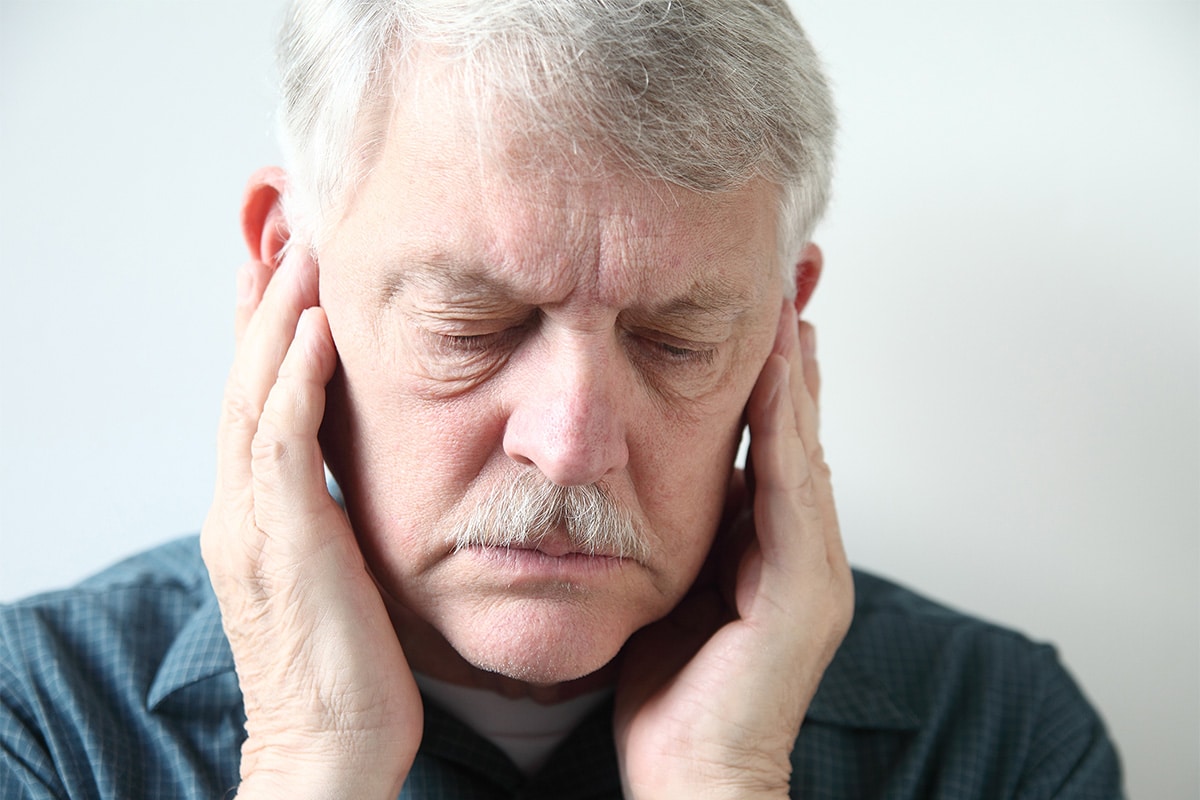
Many people living along Florida’s Treasure Coast notice that shifts in temperature, humidity, and air pressure can trigger uncomfortable sensations in their jaw joints. At our practice, we’ve observed that clients seeking TMJ treatment often report flare-ups in tandem with weather changes. Understanding this link and knowing what you can do helps you maintain greater comfort and stability.
Understanding Your Jaw Joint and Weather Sensitivity
The temporomandibular joint (TMJ) connects your lower jaw to your skull and allows for essential functions like speaking, chewing, and swallowing. When that joint, along with its supporting muscles and ligaments, becomes irritated or dysfunctional, you may experience pain, clicking, stiffness or even lock-jaw.
Temperature and air-pressure fluctuations can influence the tissues around your TMJ in a few ways. Cold air can cause muscles to contract, increasing tension in the jaw and neck. High humidity or rapid pressure drops that often precede storms may affect fluid dynamics in joint spaces and create a subtle increase in joint stress. Someone already dealing with TMJ dysfunction is therefore more likely to feel the impact of these environmental shifts.
Why Weather Changes Trigger TMJ Symptoms
Here are several specific mechanisms through which weather changes may trigger or aggravate TMJ pain:
- Cold temperatures lead to muscle tightening and decreased blood flow. Tense muscles place additional load on the TMJ and its ligaments.
- Barometric pressure drops can cause joint-capsule expansion or changes in fluid pressure that may make the TMJ more sensitive.
- High humidity may add to overall bodily inflammation and discomfort, amplifying existing jaw issues.
- Rapid temperature swings, such as going from hot outdoors to strong air-conditioning indoors, force the jaw muscles to repeatedly adapt, which can lead to fatigue, micro-injury or irritation around the joint.
- Rain or storm fronts often coincide with more sedentary behavior, poor posture (such as sitting longer or hunching over devices), and increased clenching or grinding. These secondary effects can further worsen TMJ stress.
Recognizing that weather-related triggers are valid helps you shift from frustration to proactive management.
Weather-Friendly Strategies to Reduce TMJ Discomfort
If you’re concerned about how the elements might affect your jaw, try these practical steps to help reduce the risk of flare-ups:
- Maintain consistent indoor temperature and humidity. Avoid extremes of cold that invite muscle contraction and tightness. A stable air-conditioned environment with moderate humidity protects your jaw muscles from unnecessary strain.
- Use warm compresses on your jaw and neck during cooler or stormy days. The gentle warmth helps relax muscle tension and improves circulation.
- Practice gentle jaw stretching and mindful relaxation. Simple exercises such as slowly opening and closing your jaw, doing side-to-side movements, and holding a light warm towel at the joint can ease stiffness.
- Monitor your posture and device use. During inclement weather you might spend more time indoors on screens; ensure your head, neck and shoulders are aligned, and avoid jutting the chin forward, which adds stress to the TMJ.
- Use a custom night guard if you grind or clench your teeth. Many patients with jaw pain benefit from a protective appliance that distributes the load and shields the joint from excessive forces—especially during sleep or high-stress periods like stormy weather.
- Take note of weather changes and your symptoms. Keeping a simple log of local weather (temperature, pressure changes, storms) and associated jaw discomfort can help you and our team identify individual trigger patterns and tailor your treatment accordingly.
By adopting weather-aware habits you can reduce the “why now” surprise when your jaw starts acting up, and instead feel more in control.
How Professional TMJ Treatment Can Help
If you find that home-care strategies are only partially effective or your jaw problems persist even when you manage your environment, then professional intervention may be needed. At our practice we offer advanced TMJ care centered on diagnosis, tailored therapies, and long-term comfort.
Our team begins with a comprehensive evaluation to assess how your jaw, bite, muscles, and joint work together. From there we may recommend personalized options such as:
- A custom-fabricated splint or night guard designed to eliminate excess forces and stabilize your joint.
- Dental adjustments or bite optimization if mis-alignment is contributing to joint stress.
- Targeted therapies such as muscle relaxation techniques or guided exercises to improve joint movement and reduce muscular tension.
- When needed, restorative or prosthetic solutions to correct tooth wear, missing teeth or bite collapse, all of which may indirectly aggravate TMJ issues.
By seeking professional support for your TMJ concerns you’re not just treating the symptom of jaw pain, you’re addressing underlying causes so that weather-related triggers become less disruptive. To explore your options, schedule a consultation for detailed assessment and personalized care.
Staying Ahead of Weather Related TMJ Flare Ups
Many factors influence TMJ discomfort, but weather changes are often underestimated. Cold, humidity, barometric shifts and posture changes all play a role in how your jaw feels day to day. The good news is that by combining awareness of those triggers with practical preventive actions you can significantly reduce the frequency and intensity of flare-ups. And when needed, a tailored professional approach ensures you’re equipped for solid, lasting relief.
If jaw pain or popping, stiffness or headaches around your jaw joint are affecting your quality of life, don’t wait. Seek the proper care and reclaim comfort and function.
Frequently Asked Questions About TMJ Treatment
How quickly can I expect relief from jaw-joint pain with treatment?
Most patients experience measurable improvement in their symptoms within a few weeks of starting treatment. The timeline depends on how long the condition has been present, how consistent you are with your home-care routines and whether any structural bite or alignment issues need correction.
Can weather really make a big difference in TMJ symptoms?
Yes. Although the exact mechanisms are still being researched, many patients report an uptick in jaw-joint discomfort with weather shifts. Cold, high humidity or changing air-pressure can influence muscle tension, joint fluid dynamics and posture, all of which affect how your TMJ behaves.
At Stuart Prosthetic Dentistry, we are committed to providing personalized care that helps our patients experience lasting comfort and confidence. Our team takes the time to understand your needs, explain your options and guide you toward effective solutions for jaw pain and overall oral health. To schedule a visit or learn more about our TMJ services, contact us today.